Vegan Diet – How It Works, Benefits, and What to Watch Out For
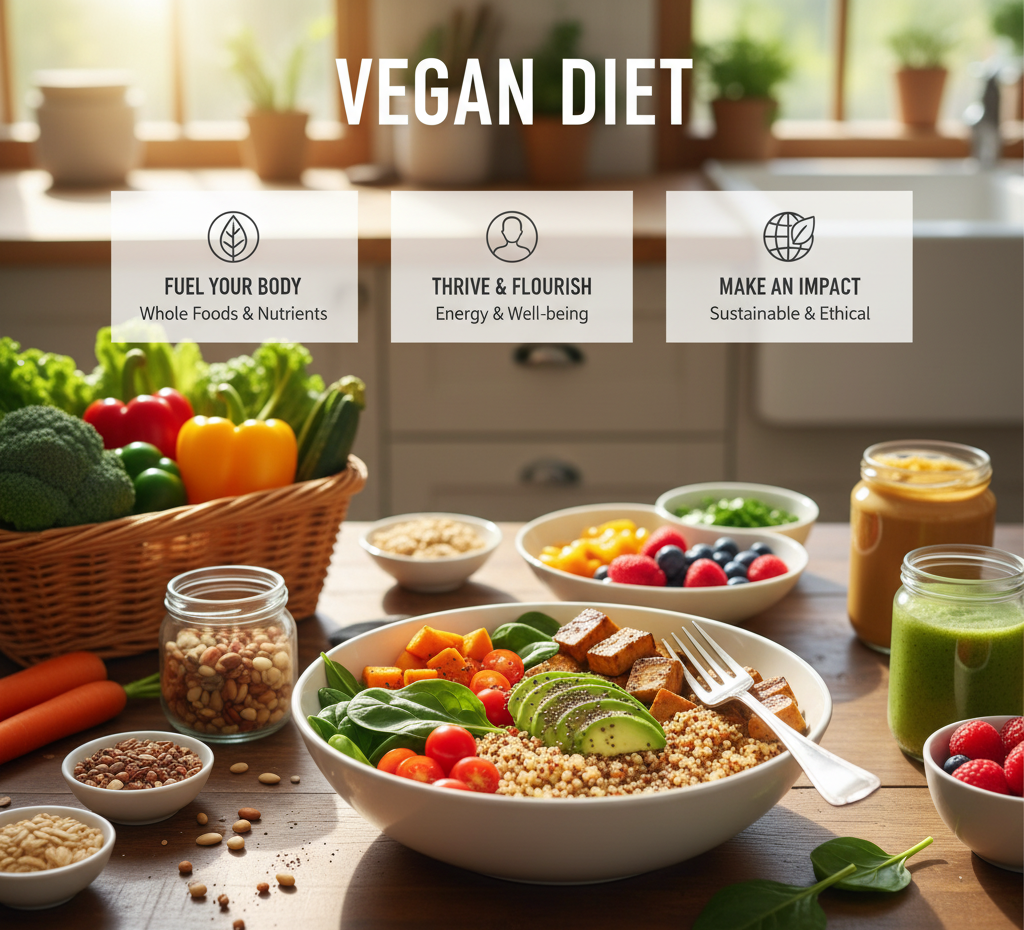
The Vegan Diet is a plant-based eating approach that excludes all animal products, including meat, dairy, eggs, and honey. It’s followed for a variety of reasons — ethical, environmental, and health-related — and can be highly effective for weight management, heart health, and overall wellness when planned properly.
How Does It Work?
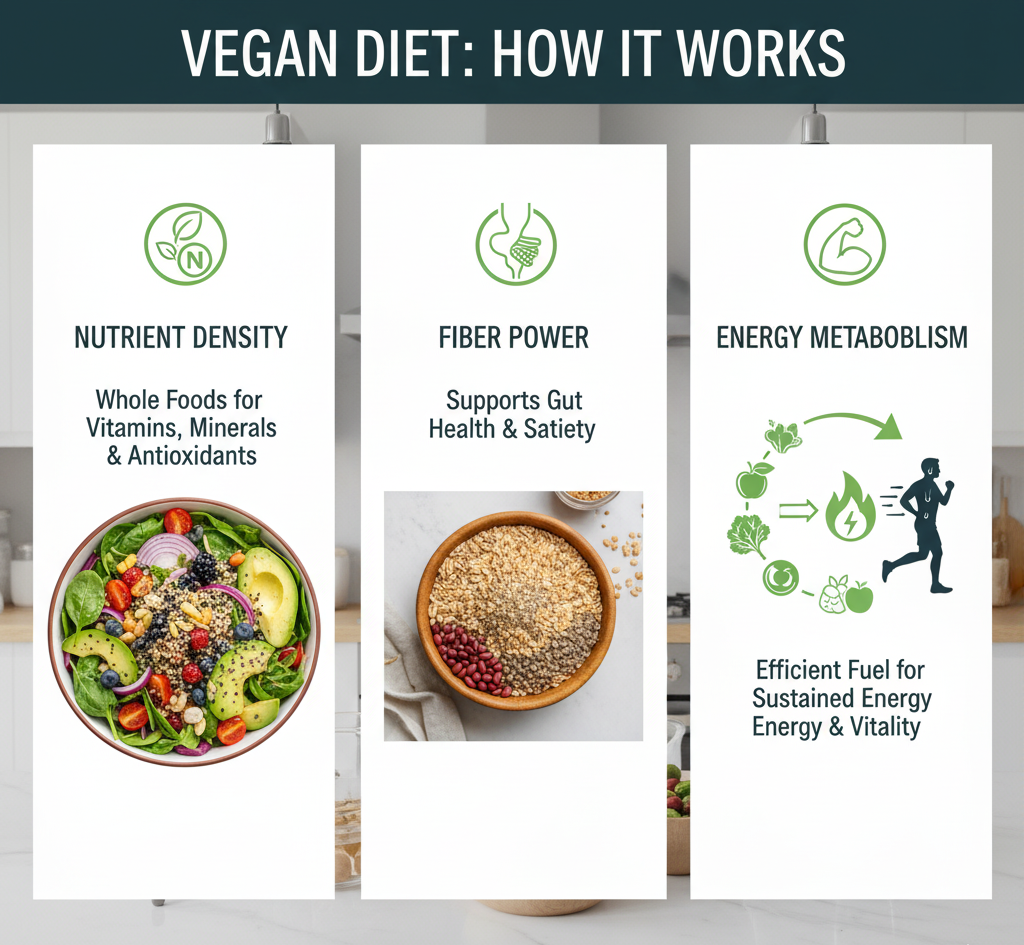
By removing all animal-derived foods, the vegan diet focuses on whole plant foods such as vegetables, fruits, legumes, grains, nuts, and seeds. This naturally reduces saturated fat intake and increases fiber, antioxidants, and essential nutrients. Many people experience weight loss, improved digestion, and better energy levels after switching to a vegan lifestyle.
Key Benefits
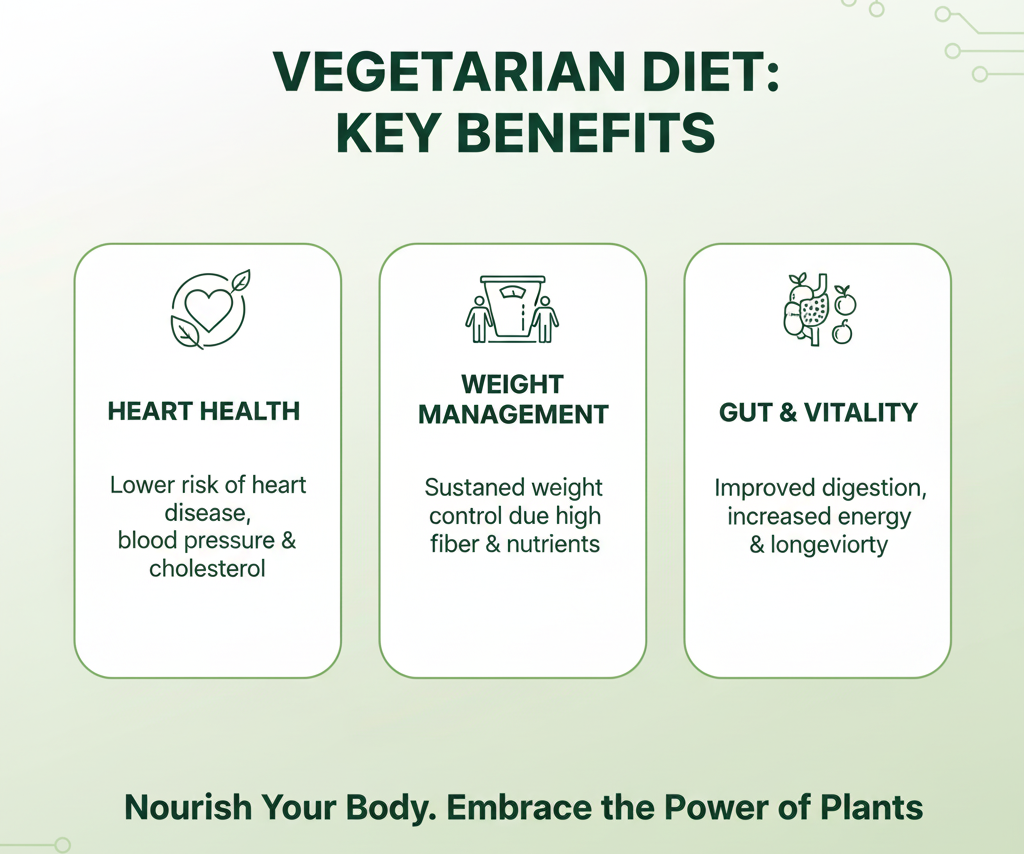
- Supports weight loss, especially when based on whole, unprocessed foods
- Improves heart health, by lowering cholesterol and blood pressure
- Boosts digestion, thanks to high fiber intake
- Reduces inflammation, which may help with joint pain and chronic conditions
- Ethical and sustainable, with lower environmental impact
Potential Risks
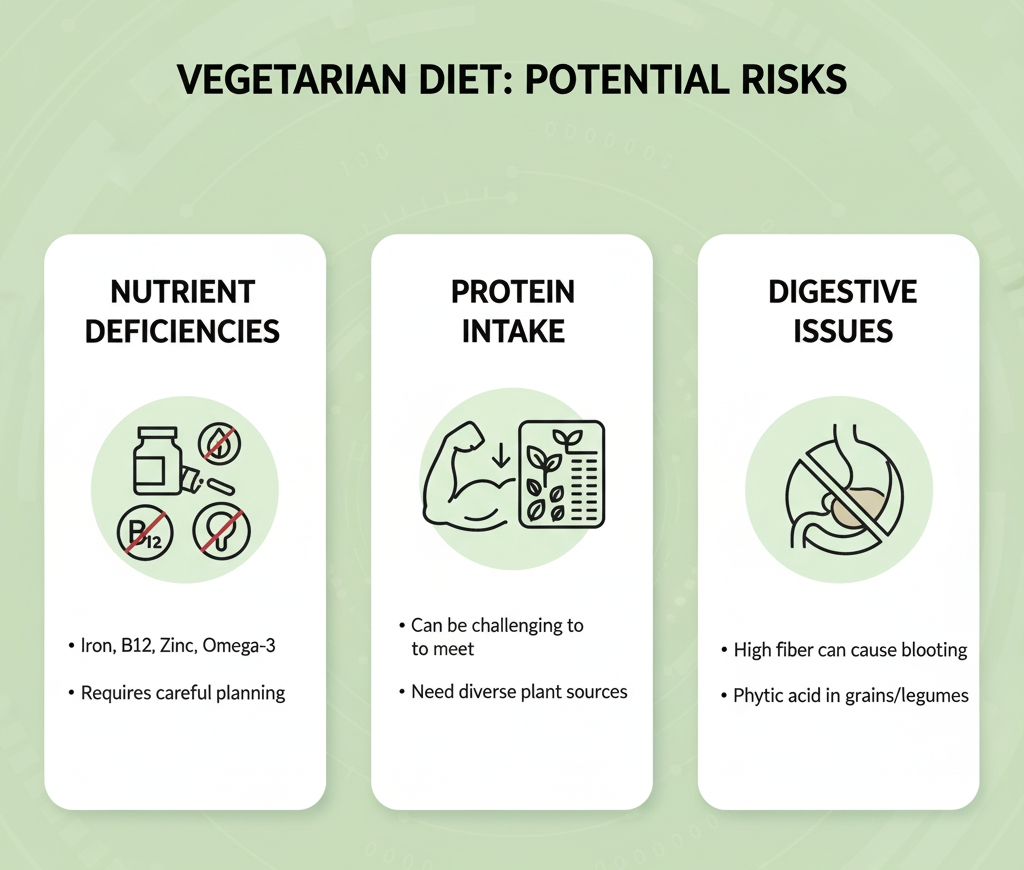
- Vitamin B12 deficiency, since it’s mostly found in animal products
- Iron and calcium intake may be lower, requiring careful food choices or supplementation
- Protein intake can be insufficient, if meals aren’t well-balanced
- Processed vegan foods (e.g. fake meats, vegan snacks) may contain additives and hidden sugars
- Not suitable for everyone without proper planning — especially children, pregnant women, or athletes
What to Eat on a Vegan Diet
Recommended foods:
- Vegetables: kale, spinach, carrots, broccoli
- Fruits: berries, bananas, apples, citrus
- Legumes: lentils, chickpeas, black beans
- Whole grains: oats, quinoa, brown rice
- Healthy fats: avocado, olive oil, nuts, seeds
- Plant-based proteins: tofu, tempeh, seitan, pea protein
- Fortified foods: plant milks with B12, calcium, and vitamin D
Avoid:
- Meat, poultry, fish
- Dairy products: milk, cheese, butter
- Eggs and honey
- Gelatin and animal-based additives
Tips for Getting Started
- Plan meals ahead to ensure balanced nutrition
- Track nutrients like B12, iron, calcium, and omega-3
- Choose whole foods over processed vegan alternatives
- Experiment with new ingredients, like nutritional yeast or jackfruit
- Ask the Smart Assistant for a personalized vegan plan based on your goals and sensitivities