DASH Diet – How It Works, Benefits, and What to Watch Out For
The DASH Diet was developed by the U.S. National Heart, Lung, and Blood Institute in the 1990s to combat high blood pressure (hypertension), which affects nearly one-third of UK adults. It’s now widely recommended by doctors and dietitians as a sustainable, evidence-based approach to improving cardiovascular health.

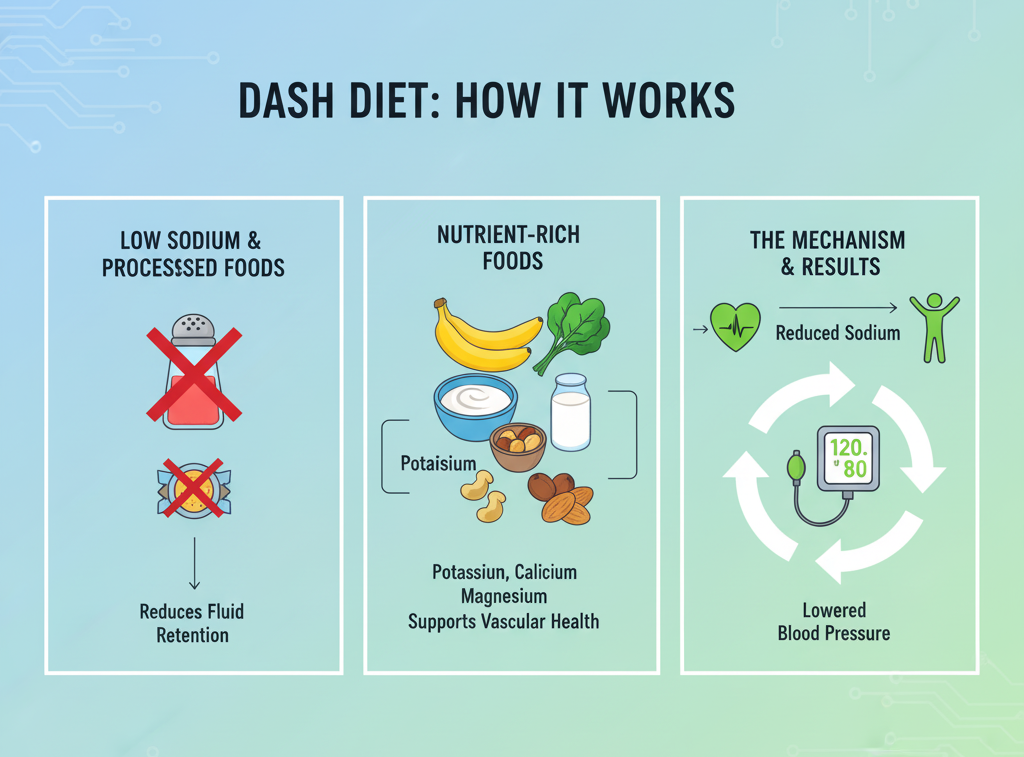
How Does It Work?
The DASH Diet reduces sodium intake and increases consumption of potassium, magnesium, calcium, and fiber — nutrients that help regulate blood pressure. It encourages whole, minimally processed foods and discourages excess salt, saturated fat, and added sugars. The result is a balanced, anti-inflammatory diet that supports heart, kidney, and metabolic health.
Key Benefits
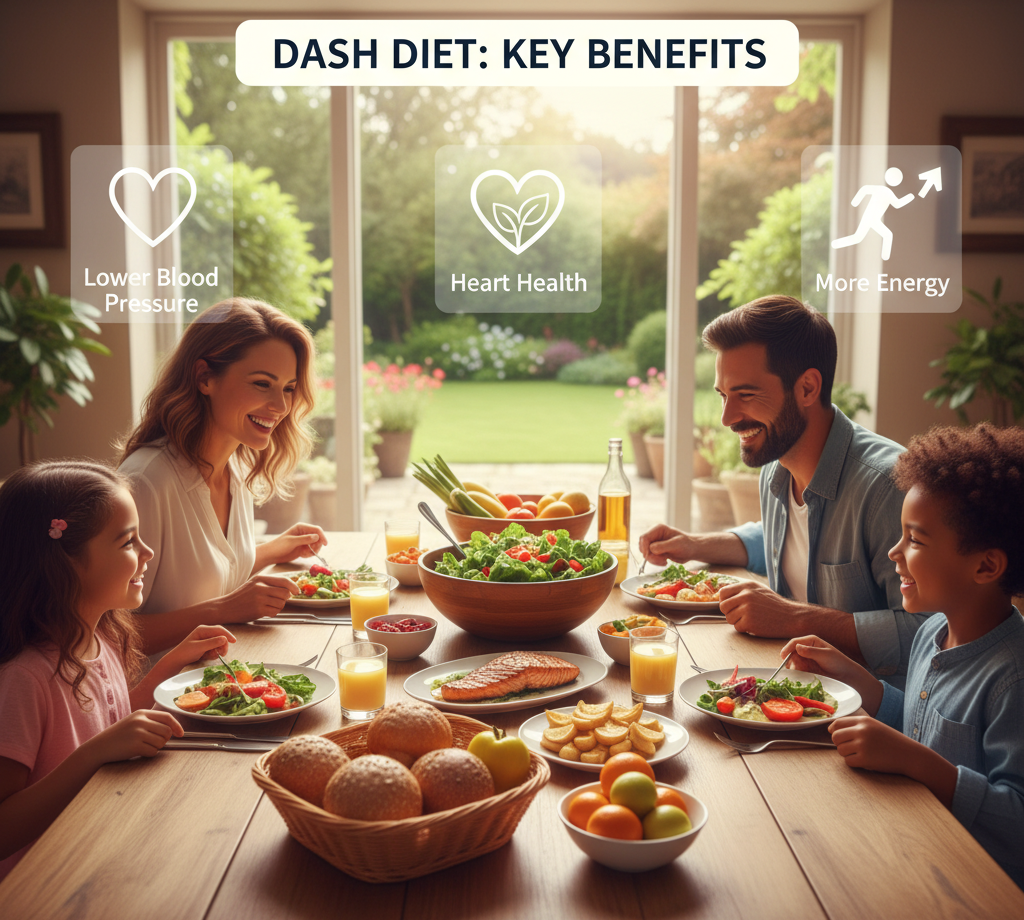
- Lowers blood pressure, often within weeks of starting
- Reduces risk of heart disease, stroke, and kidney damage
- Supports weight loss, especially when combined with portion control
- Improves cholesterol levels, particularly LDL and triglycerides
- May reduce risk of type 2 diabetes and metabolic syndrome
Potential Risks
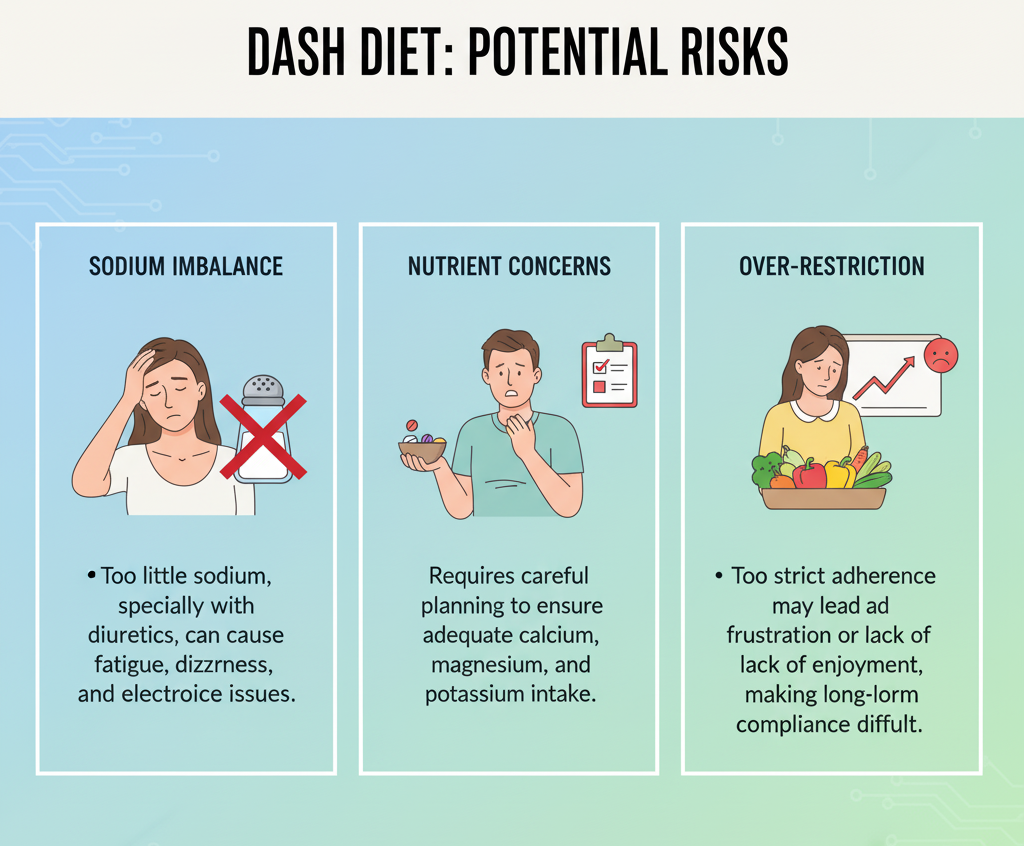
- Too much salt restriction may cause fatigue or dizziness in some individuals
- Requires meal planning, especially for sodium tracking
- May be challenging for people used to processed or convenience foods
- Not ideal for very low-carb or high-fat diet followers
What to Eat on the DASH Diet
Recommended foods:
- Vegetables: leafy greens, carrots, tomatoes, broccoli
- Fruits: bananas, berries, oranges, apples
- Whole grains: brown rice, oats, whole wheat bread
- Low-fat dairy: skim milk, yogurt, cheese
- Lean proteins: chicken, turkey, fish, legumes
- Nuts and seeds: almonds, sunflower seeds, walnuts
- Herbs and spices: garlic, basil, oregano (instead of salt)
Limit or avoid:
- Red meat and processed meats
- Full-fat dairy and fried foods
- Sugary drinks and sweets
- High-sodium packaged foods (soups, sauces, snacks)
Tips for Getting Started
- Gradually reduce salt intake, aiming for under 2,300 mg/day (or 1,500 mg for sensitive individuals)
- Read food labels, especially for sodium content
- Cook at home more often, using herbs and spices for flavor
- Choose fresh or frozen vegetables, not canned with added salt
- Ask the Smart Assistant for a personalized DASH plan based on your blood pressure, goals, and dietary preferences