Gluten-Free Diet – How It Works, Benefits, and What to Watch Out For
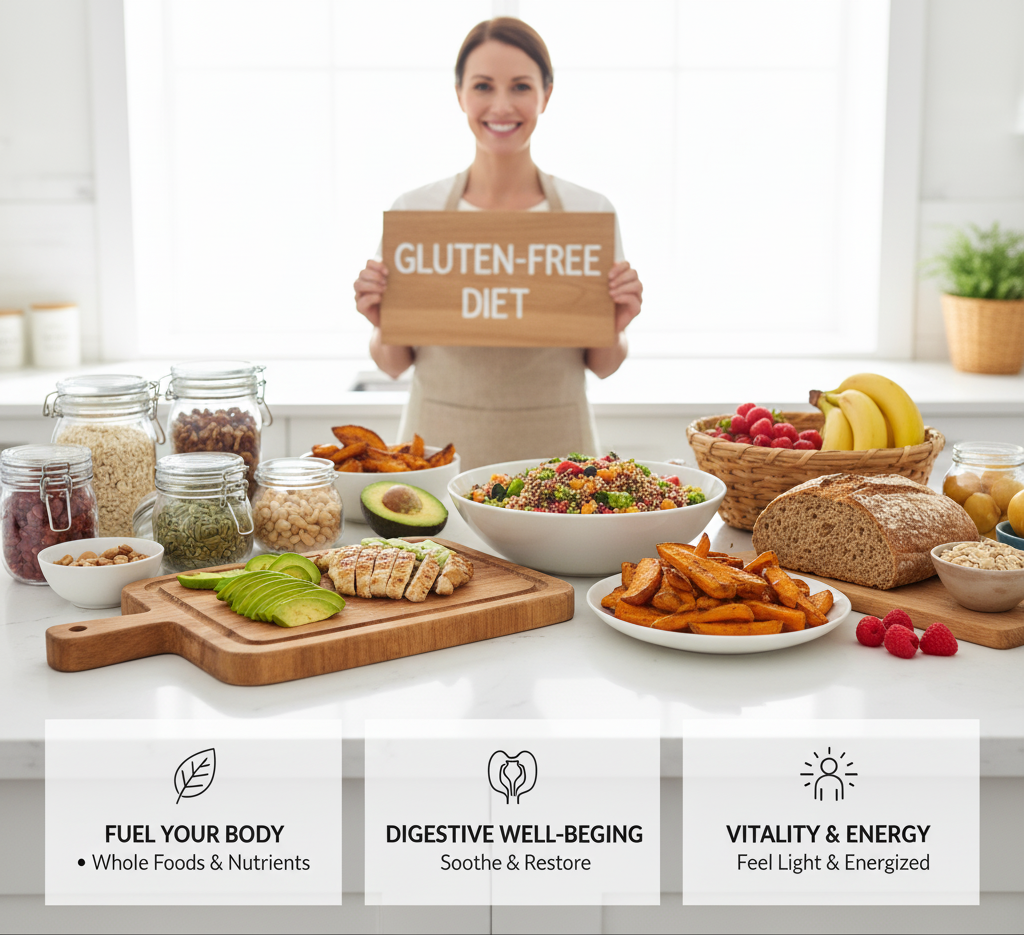
The Gluten-Free Diet eliminates all sources of gluten — a protein found in wheat, barley, rye, and related grains. Originally developed for people with celiac disease or gluten sensitivity, it has gained popularity among those seeking better digestion, reduced inflammation, and improved energy levels.
How Does It Work?
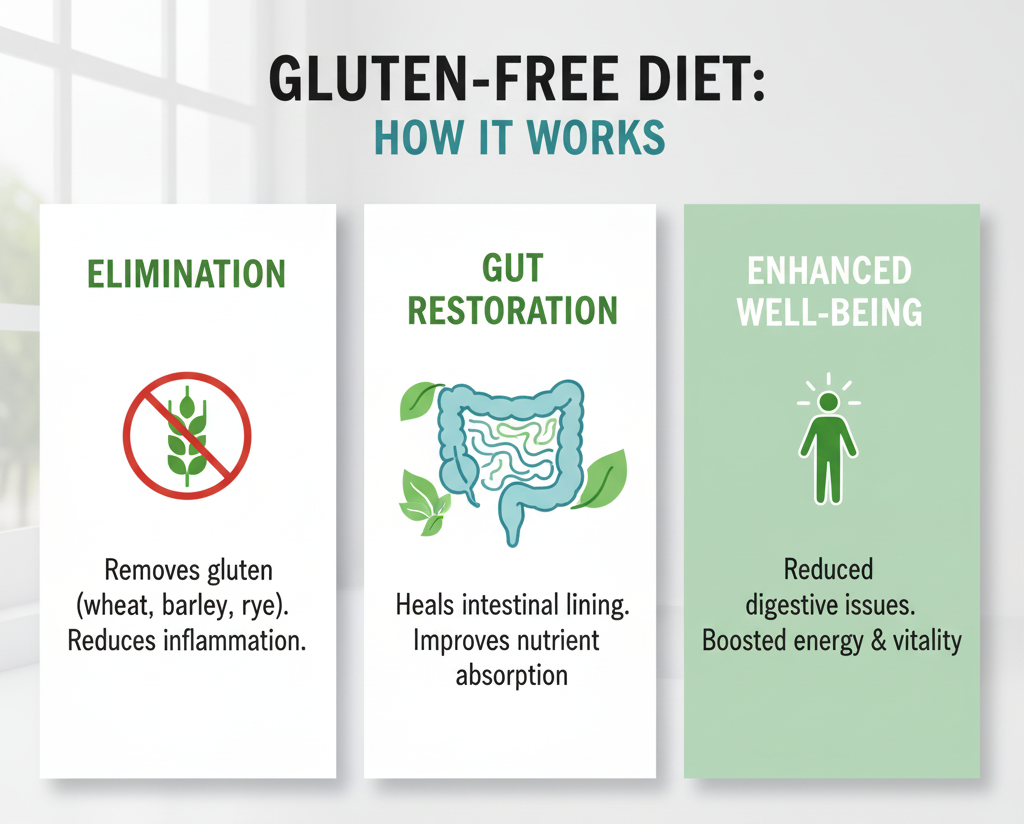
Gluten can trigger immune reactions in people with celiac disease or non-celiac gluten sensitivity, leading to digestive issues, fatigue, and nutrient malabsorption. By removing gluten-containing foods, the diet helps reduce inflammation in the gut, improve nutrient absorption, and alleviate symptoms like bloating, brain fog, and joint pain.
Key Benefits
- Essential for people with celiac disease or gluten intolerance
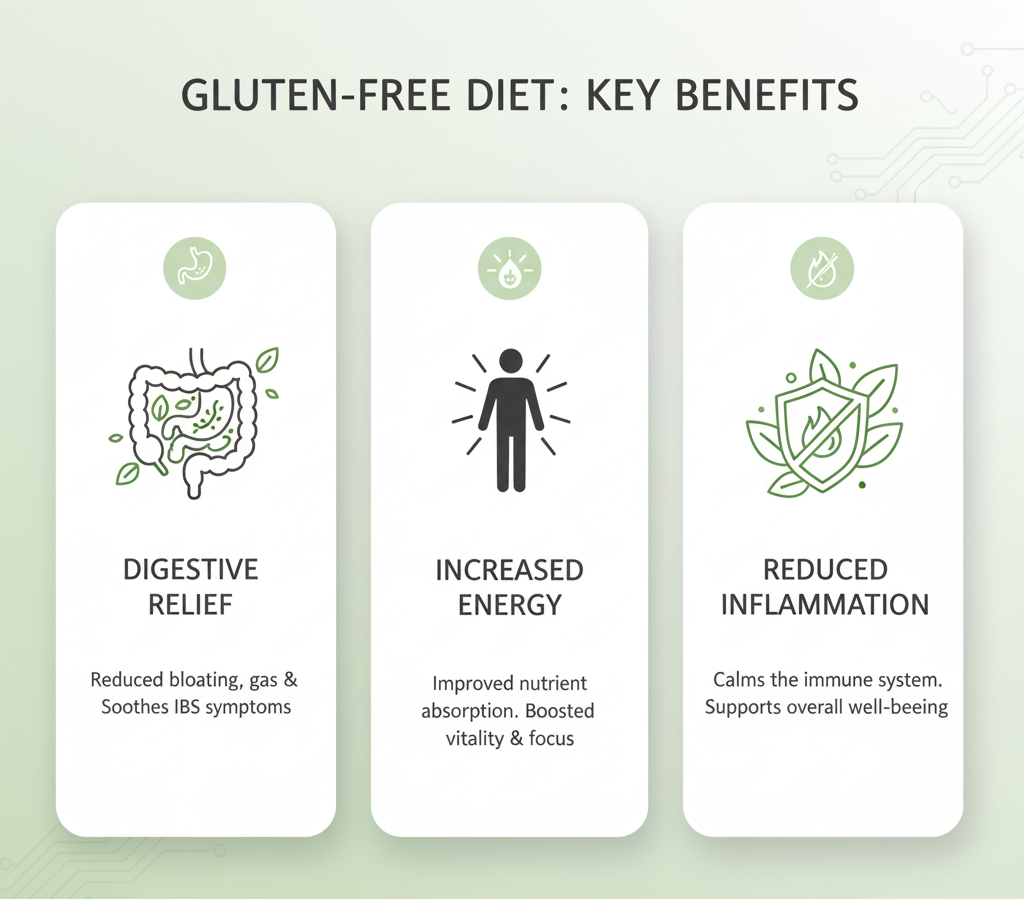
- May improve digestion, reduce bloating and abdominal discomfort
- Can increase energy levels, especially in sensitive individuals
- May reduce inflammation, which can benefit skin, joints, and mood
- Encourages whole food choices, like vegetables, fruits, and lean proteins
Potential Risks
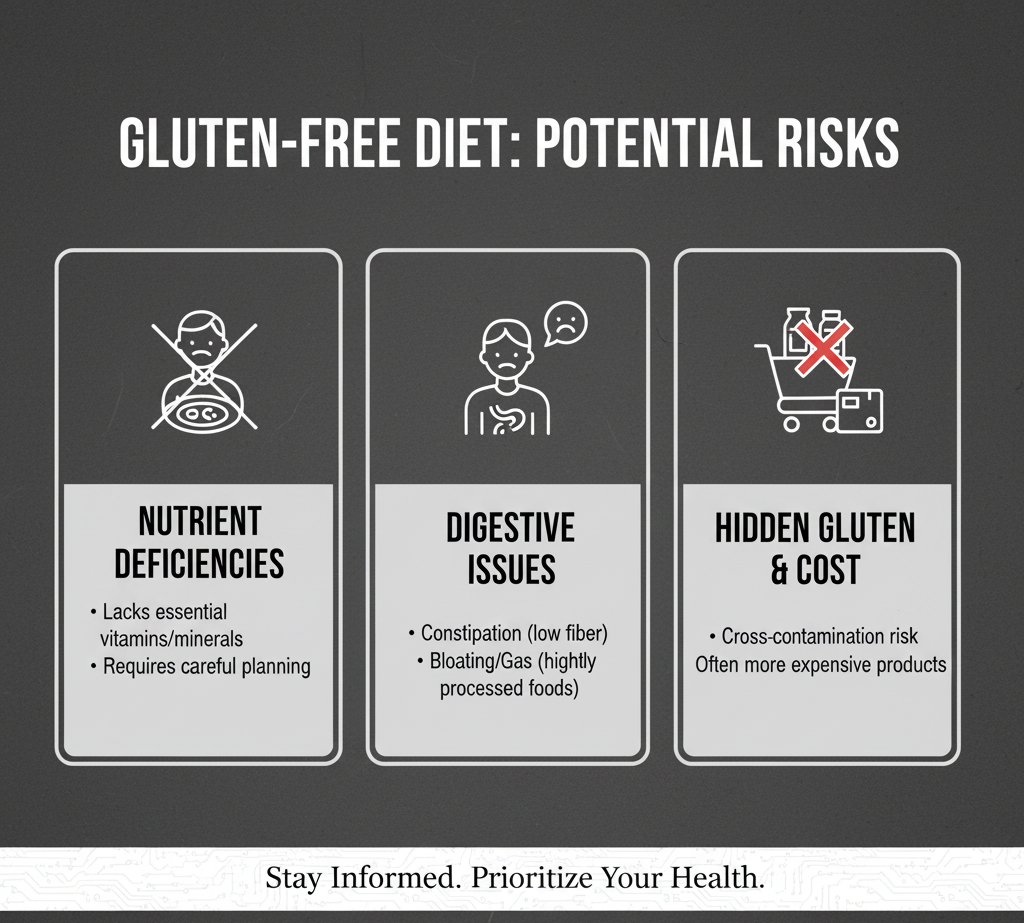
- Nutrient deficiencies, especially in fiber, B vitamins, and iron
- Overreliance on processed gluten-free products, which may be high in sugar or fat
- Social and lifestyle limitations, especially when dining out or traveling
- Not necessary for everyone — avoiding gluten without a medical reason may offer no benefit
What to Eat on a Gluten-Free Diet
Recommended foods:
- Vegetables and fruits: all fresh produce is naturally gluten-free
- Proteins: meat, fish, eggs, tofu, legumes
- Grains: quinoa, rice, buckwheat, millet, corn
- Dairy: milk, cheese, yogurt (check for additives)
- Gluten-free flours: almond, coconut, chickpea, oat (certified GF)
- Nuts, seeds, oils, herbs, and spices
Avoid:
- Wheat, barley, rye, spelt, triticale
- Bread, pasta, cereals, baked goods made with gluten
- Sauces, soups, and dressings with hidden gluten (e.g. wheat starch, malt extract)
- Beer (unless labeled gluten-free)
Tips for Getting Started
- Read labels carefully — gluten can hide in sauces, snacks, and supplements
- Choose naturally gluten-free whole foods over processed alternatives
- Use certified gluten-free products, especially for oats and packaged items
- Track nutrients, especially fiber, iron, and B vitamins
- Ask the Smart Assistant for a personalized gluten-free plan based on your goals and sensitivities