Ketogenic Diet – How It Works, Benefits, and What to Watch Out For
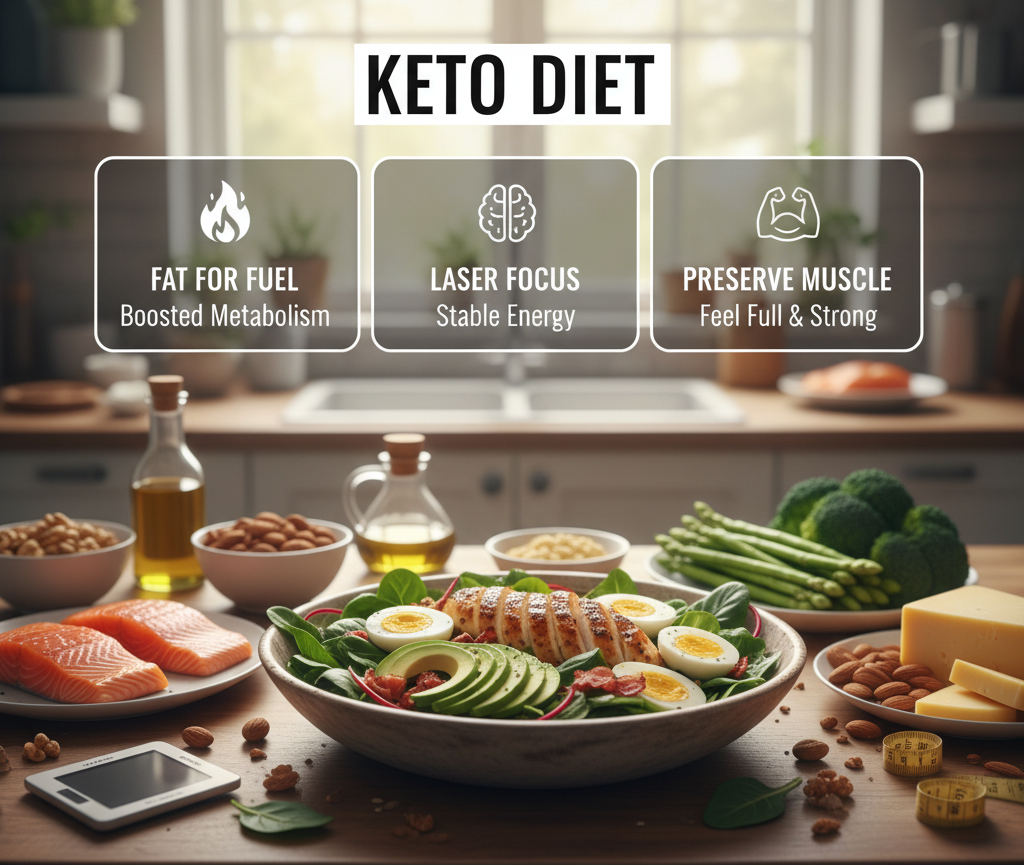
The ketogenic diet (or keto for short) is a very low-carb, high-fat eating plan designed to shift the body into a metabolic state called ketosis. In ketosis, the body burns fat instead of carbohydrates for energy, which can lead to rapid fat loss and improved metabolic function.
How Does It Work?
Under normal conditions, the body converts carbohydrates into glucose for energy. When carb intake drops significantly (typically below 20–50 grams per day), the body begins breaking down fat into fatty acids and ketones, which become the primary fuel source. This shift can enhance fat burning and reduce insulin spikes.
Key Benefits
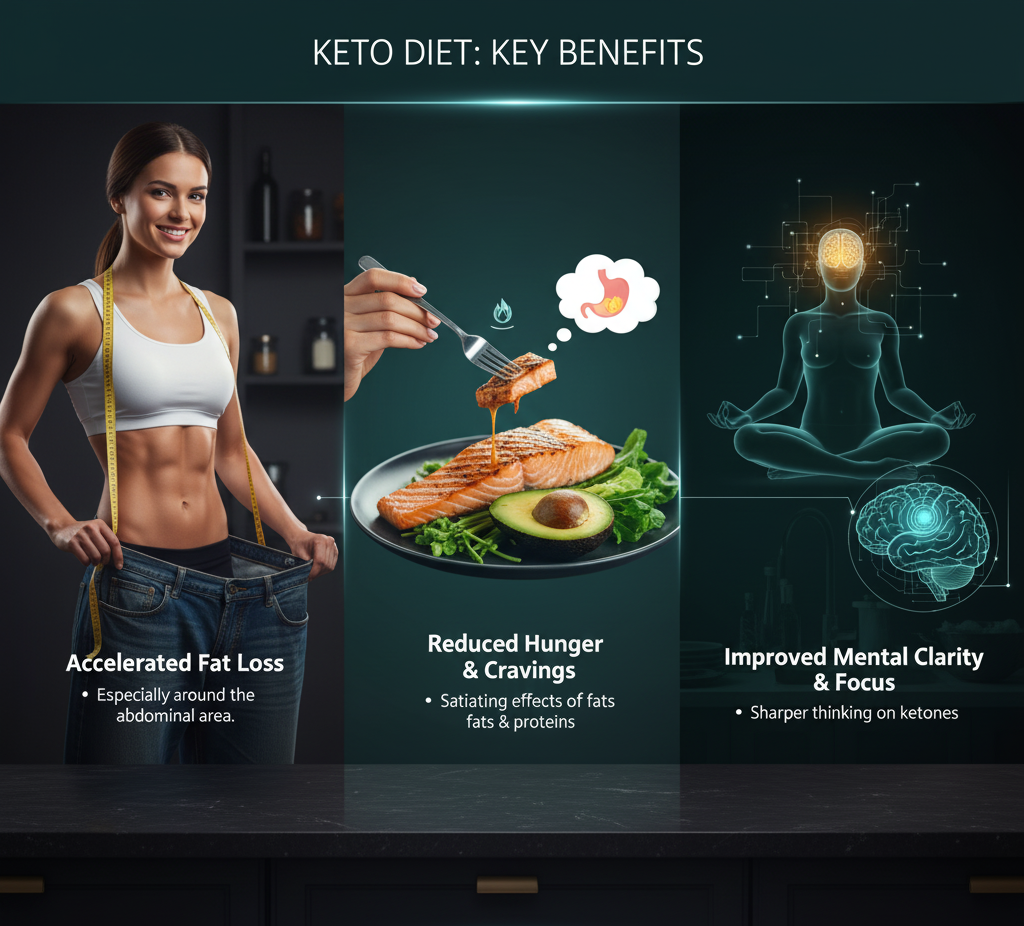
- Accelerated fat loss, especially around the abdominal area
- Reduced hunger and cravings, thanks to the satiating effects of fats and proteins
- More stable blood sugar levels, with fewer insulin fluctuations
- Improved mental clarity and focus – some people report sharper thinking on ketones
- Therapeutic potential for epilepsy and certain neurological conditions
Potential Risks
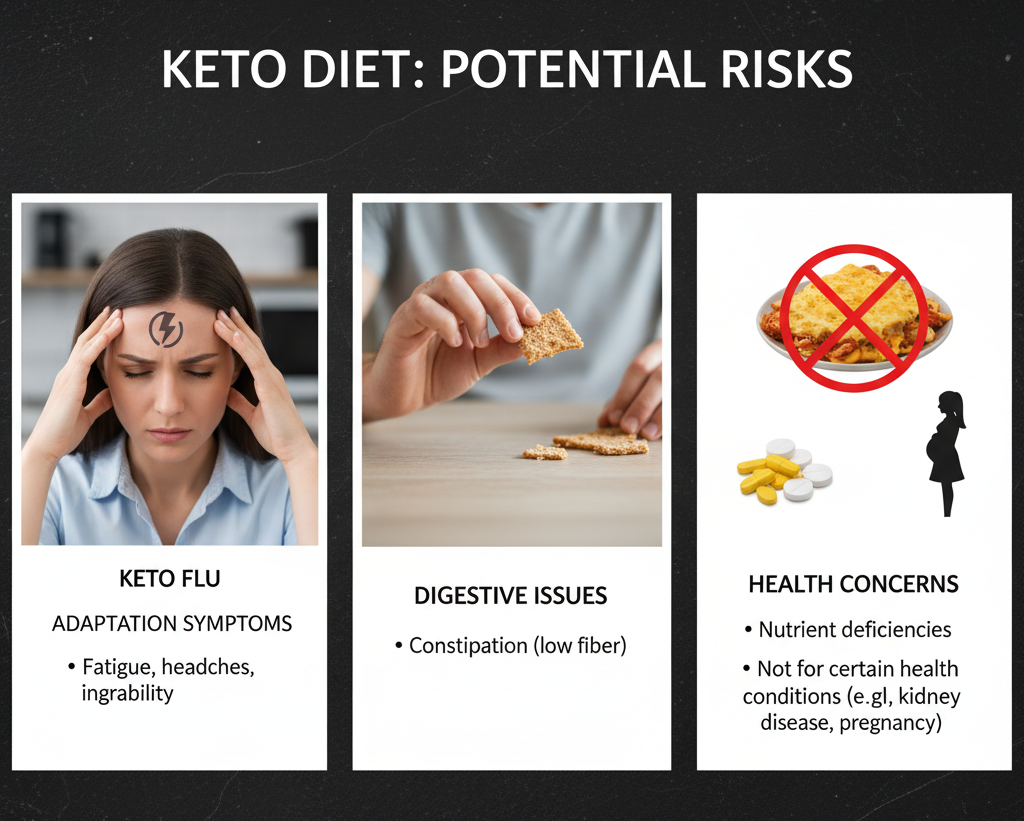
- “Keto flu” symptoms – fatigue, headaches, irritability during the first few days
- Constipation, due to low fiber intake
- Nutrient deficiencies, if the diet lacks variety
- High saturated fat intake, which may pose long-term risks
- Not recommended for certain health conditions (e.g. kidney disease, pregnancy)
What to Eat on Keto
Recommended foods:
- Vegetables: spinach, broccoli, cauliflower, zucchini
- Proteins: eggs, chicken, salmon, beef
- Fats: avocado, olive oil, coconut oil, nuts
- Supplements: electrolytes, magnesium, omega-3
Avoid:
- Bread, pasta, rice, potatoes
- Sugary drinks and sweets
- Most fruits (except small portions of berries)
Tips for Getting Started
- Reduce carbs gradually to ease the transition
- Monitor electrolytes – sodium, potassium, magnesium are key
- Use a macro calculator to track your fat, protein, and carb ratios
- Stay hydrated, especially during the first week
- Ask the Smart Assistant for a personalized keto plan based on your goals and sensitivities